
Kratom and concentrated 7-OH products are increasingly accessible, but that does not mean they are harmless. If you or someone you love has developed a dependence on kratom, 7-OH, 7-hydroxymitragynine, or enhanced kratom products, Kora Behavioral Health understands these substances and the challenges that can come with stopping their use.
At Kora Behavioral Health in Lancaster, Pennsylvania, we provide structured outpatient addiction treatment designed to address substance use, cravings, behavioral patterns, and co-occurring mental health concerns while helping individuals build a foundation for long-term recovery.
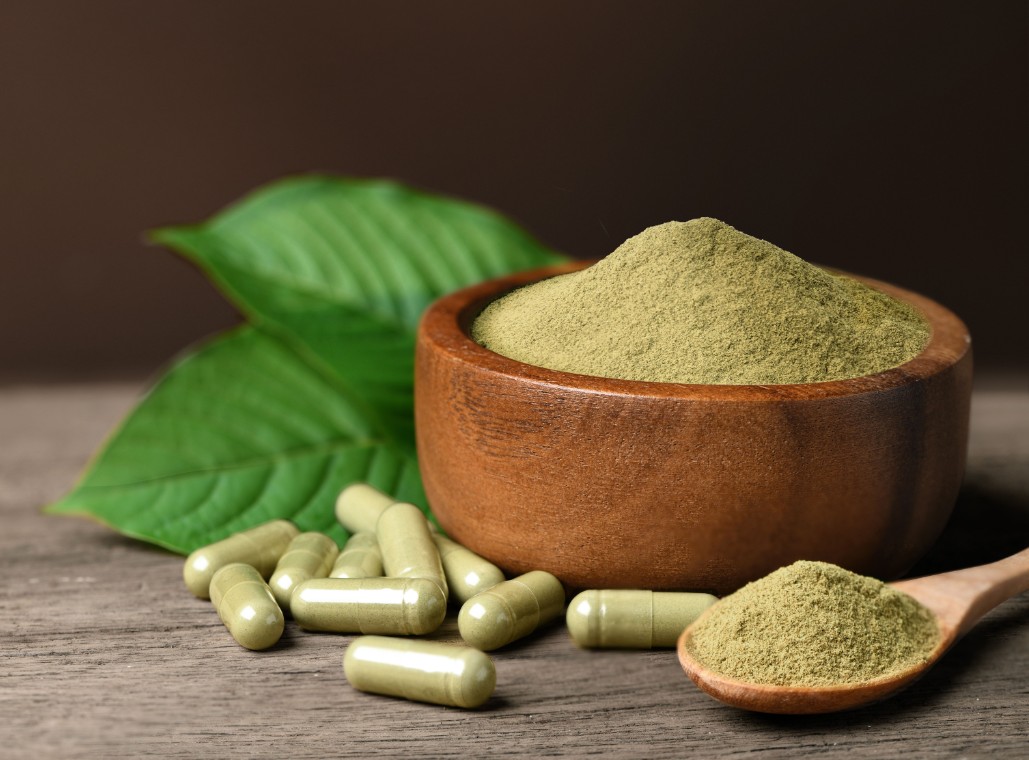
What Are Kratom and 7-OH?
It is important to distinguish traditional kratom leaf from newer products containing concentrated or enhanced levels of 7-OH. The FDA reports that 7-OH naturally occurs only in trace amounts in kratom, while concentrated 7-OH products may contain substantially higher amounts and have potent opioid-like effects. The FDA has specifically warned that concentrated 7-OH products can carry risks of addiction and withdrawal. U.S. Food and Drug Administration
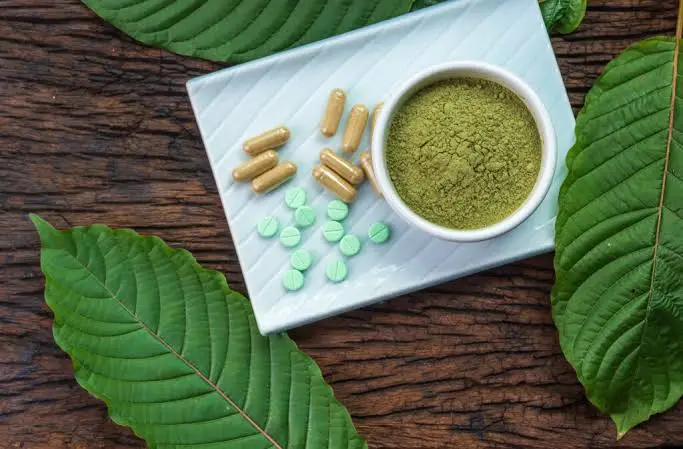
These products may be marketed as:
- 7-OH or 7-Hydroxy
- 7-hydroxymitragynine
- 7-HMG
- Kratom extracts
- Enhanced or concentrated kratom
- Tablets, capsules, gummies, shots or drink mixes
Because some of these products are readily available at smoke shops, gas stations and online, people may underestimate their potential for dependence. U.S. Food and Drug Administration
Can You Become Addicted to Kratom or 7-OH?
The FDA has received reports involving addiction and withdrawal symptoms associated with 7-OH products, including restlessness, body aches, fatigue, irritability and cold sweats. Other reported adverse effects include gastrointestinal distress, insomnia, anxiety and seizures. U.S. Food and Drug Administration
You may need professional support if you:
- Need increasingly more kratom or 7-OH to achieve the desired effect
- Experience cravings or feel preoccupied with your next dose
- Have tried to cut down or stop but haven’t been able to
- Feel physically or emotionally unwell when you stop
- Continue using despite consequences at work, home or in relationships
- Use kratom or 7-OH to cope with anxiety, depression, stress or other emotions
- Feel that using has become necessary just to feel normal
Dependence can develop even when the substance was originally used for pain, energy, mood, anxiety or an attempt to manage withdrawal from another substance.
Kora Behavioral Health Understands Kratom & 7-OH
At Kora Behavioral Health, we recognize that someone struggling with kratom or 7-OH may have a different experience than someone seeking treatment for alcohol, stimulants or other substances. Our goal is to understand what you’re using, how you’re using it, why you’re using it and how it is affecting your life so that treatment can be tailored to your individual needs.
We don’t reduce someone to the substance they’re using. We look at the whole person—including mental health, stress, trauma, relationships, lifestyle and the circumstances that may be contributing to continued substance use.
Outpatient Kratom & 7-OH Treatment at Kora Behavioral Health
Depending on your clinical needs, your treatment plan may incorporate Kora’s Partial Hospitalization Program (PHP), Intensive Outpatient Program (IOP), outpatient services and dual-diagnosis treatment. Kora’s IOP, for example, incorporates individual, group and family therapy and is designed to provide structured treatment while allowing clients to maintain daily responsibilities. Kora Behavioral Health
Treatment may include:
Work one-on-one with a clinician to understand patterns surrounding substance use, identify triggers and develop healthier coping strategies.
Kratom or 7-OH use may occur alongside anxiety, depression, trauma or other mental health concerns. Kora provides integrated treatment for substance use and co-occurring mental health disorders. Kora Behavioral Health
Connect with others working toward recovery while developing accountability, communication skills and relapse-prevention strategies.
Kora utilizes evidence-based approaches including Cognitive Behavioral Therapy (CBT), Motivational Interviewing and relapse-prevention planning as part of individualized addiction treatment. Kora Behavioral Health
Treatment recommendations are individualized based on a comprehensive clinical assessment.
Treatment isn’t only about stopping a substance. It’s about developing the skills and support needed to maintain recovery after treatment.
You Don't Have to Hit Rock Bottom
If you’re noticing that kratom or 7-OH is becoming harder to control, or you’re worried about someone you love, talking with an addiction professional can help you understand what is happening and what level of care may be appropriate.
Kora Behavioral Health provides compassionate, individualized outpatient addiction treatment for adults in Lancaster and throughout Central Pennsylvania.
Take the First Step
Kratom and 7-OH dependence is treatable.
Our team can speak with you confidentially, answer questions about treatment and help determine whether Kora’s outpatient programs are appropriate for your needs.